
Best Screen Types for Pool Enclosures, Lanais, Windows & Patios in South Florida – What to Choose in 2026 for Durability, Bugs & Hurricanes
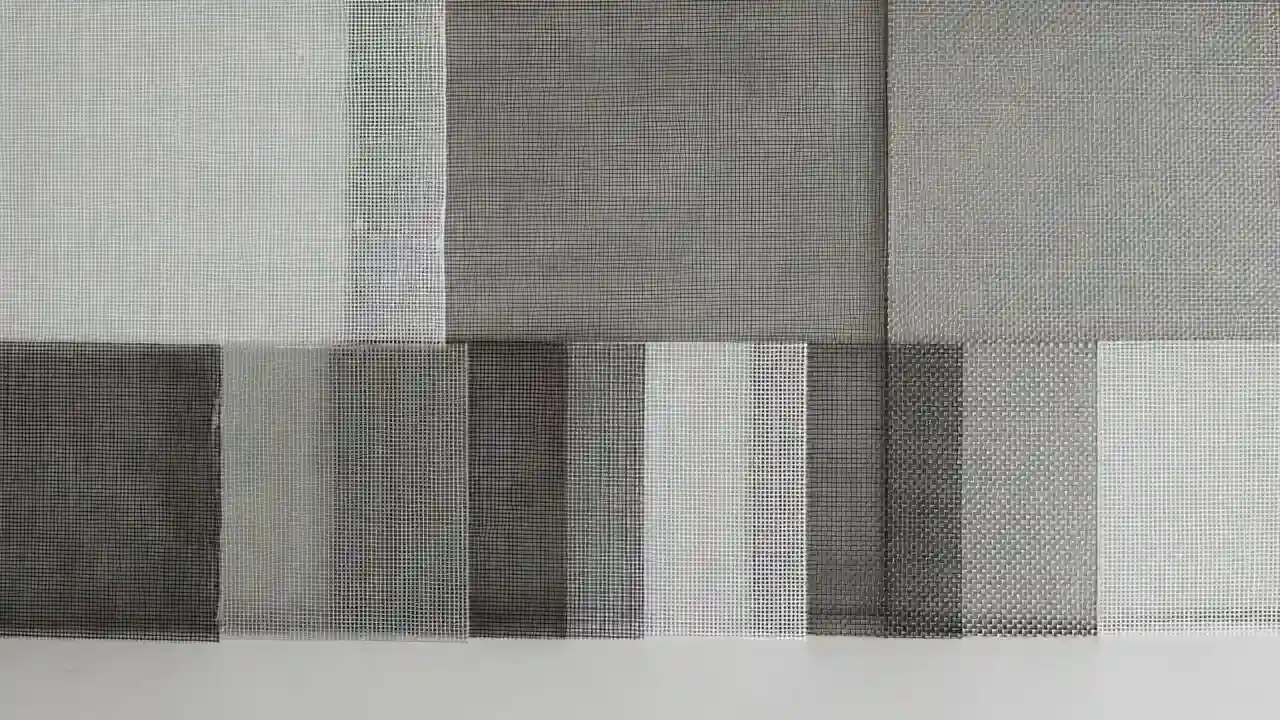
Why Screen Choice Matters in South Florida's Extreme Climate
If you live in South Florida, you already know that outdoor living is practically a year-round lifestyle. Pools, lanais, patios, and open windows are part of daily life in Jupiter, Palm Beach Gardens, Tequesta, Stuart, West Palm Beach, and throughout Northern Palm Beach County and surrounding areas. But that lifestyle comes with a unique set of challenges that homeowners in other parts of the country simply don't deal with.
We're talking relentless mosquitoes and no-see-ums, intense UV sunlight that bakes screens until they turn brittle, salt air corrosion near the coast, constant humidity that encourages mildew, and of course hurricane-force winds that will expose weak screens fast. Add kids, pets, and pool enclosures under constant tension, and suddenly screen choice becomes a much bigger deal than most homeowners expect.
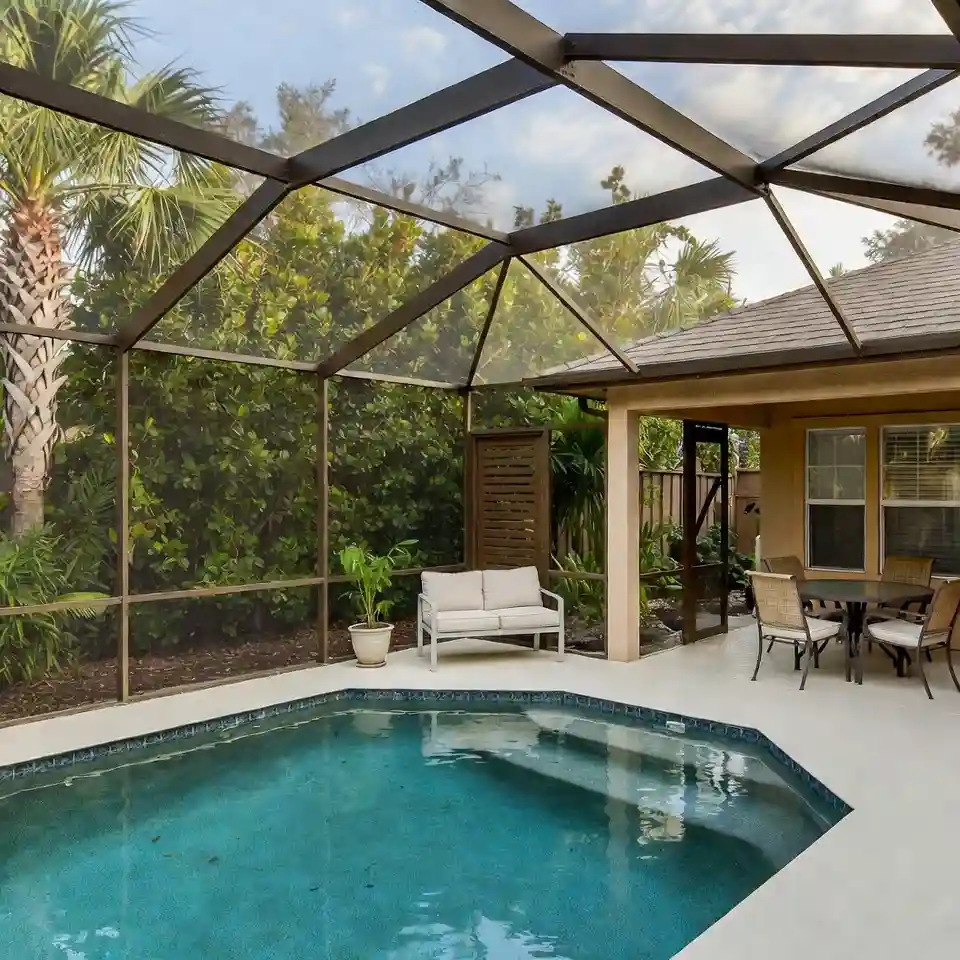
Choosing the wrong screen material often means tears within a few years, sagging panels, poor bug protection, or premature full rescreens. And let's be honest—rescreening a full pool enclosure in South Florida can easily run $5,000 to $20,000+, depending on size and material. That's not something you want to repeat every five years.
The right screen, on the other hand, can last 10–15+ years, improve airflow, reduce heat and UV, handle storms better, and seriously improve how much you enjoy your outdoor space. It can even help protect your frames and increase home value.
At Curly Tail Screen & Window, we're based right here in Jupiter, FL, and we've helped hundreds of homeowners from Stuart to West Palm Beach choose, install, repair, and upgrade screens that actually hold up in the South Florida climate. This guide breaks down the best screen types for 2026, what works (and what doesn't), and how to choose the right option for your home.
South Florida Screen Challenges You Can't Ignore
South Florida isn't kind to screens. Here's what your materials are up against:
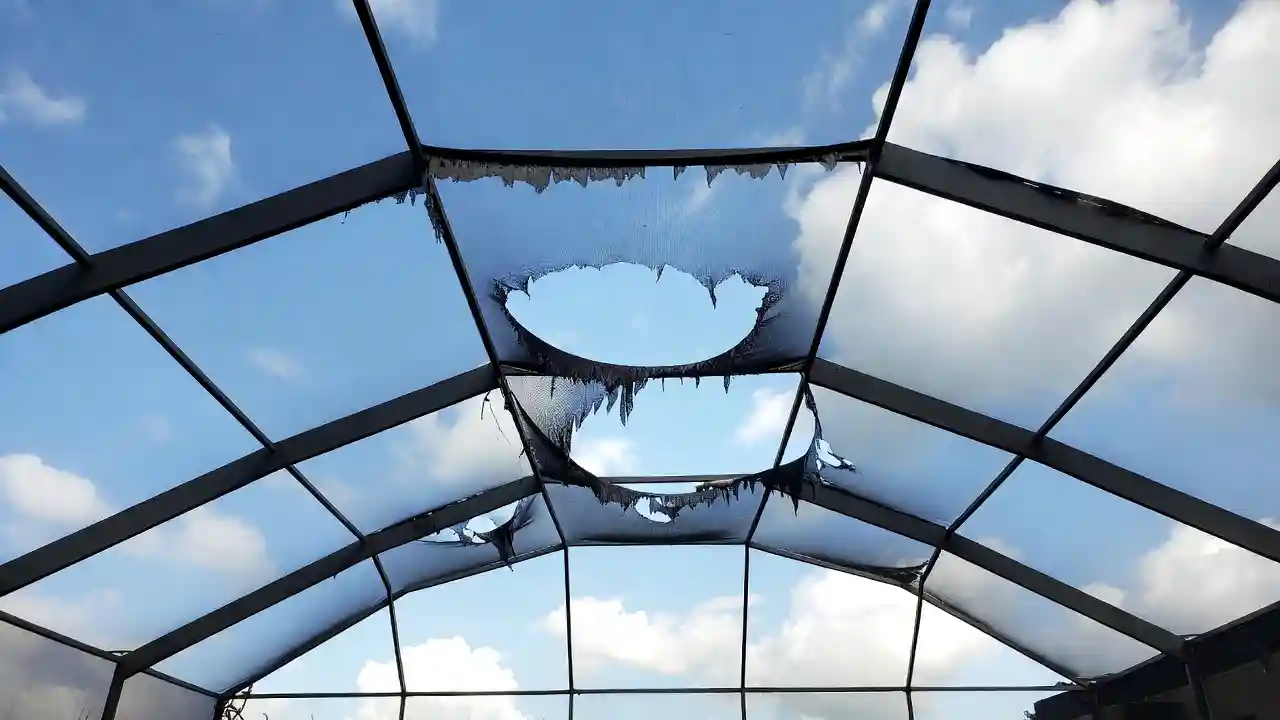
- Tiny no-see-ums & aggressive mosquitoes – Standard mesh often fails to block them, especially around pools and shaded lanais.
- Intense UV exposure year-round – Cheap fiberglass fades, weakens, and becomes brittle much faster here than up north.
- Salt air corrosion (especially coastal areas) – Homes in Juno Beach, Jupiter Island, North Palm Beach, Hobe Sound, and anywhere near the ocean need corrosion-resistant materials and proper hardware.
- Hurricanes & severe storms – High winds put massive tension on screen panels—weak materials tear like paper.
- Humidity, pollen & mildew – Poor airflow and cheap mesh trap moisture, leading to staining and mold growth.
- Pets & kids – Dogs, cats, and flying toys destroy standard screens quickly.
This is why one-size-fits-all screens don't work in South Florida—and why material choice matters so much.
Key Screen Types Compared – What Actually Works in South Florida
Below is a realistic breakdown of the most common screen options we install and repair across Northern Palm Beach County, Jupiter and surrounding areas.
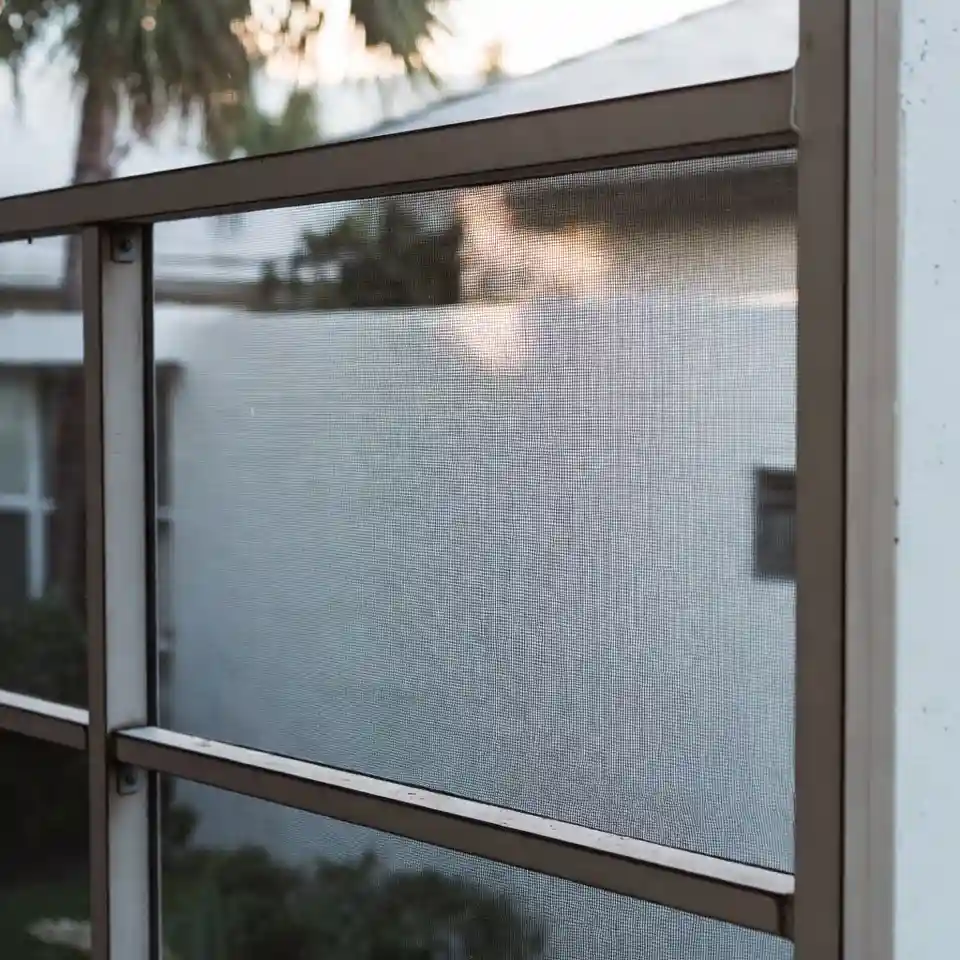
Standard Fiberglass Screen (18x14 Mesh)
Pros
- Lowest upfront cost
- Decent airflow
- Easy to source
Cons
- Short lifespan in Florida sun
- Weak against pets and storms
- Poor no-see-um protection
Typical Lifespan in South Florida: 4–7 years
Bug Protection: ★★☆☆☆
Storm Resistance: ★☆☆☆☆
Best For: Budget window screens (not pool enclosures)
Our opinion: Fine for temporary or low-use windows, not ideal for enclosures.
Pet-Resistant / Heavy-Duty Fiberglass Screen
Pros
- Thicker vinyl-coated fiberglass
- Resists claws, kids, and impacts
- Better tension handling
Cons
- Slightly reduced airflow
- Costs more than standard fiberglass
Typical Lifespan: 7–10+ years
Bug Protection: ★★★☆☆
Storm Resistance: ★★★☆☆
Best For: Homes with pets, high-traffic patios, lower-budget pool cages
Phifer Super Screen® (Industry Favorite in Florida)
Pros
- Extremely strong vinyl-coated polyester
- Handles high wind loads exceptionally well
- Resists UV, sagging, and tearing
- Longest lifespan for pool enclosures
Cons
- Higher upfront cost
- Slightly thicker appearance
Typical Lifespan: 10–15+ years
Bug Protection: ★★★☆☆
Storm Resistance: ★★★★★
Best For: Pool enclosures, hurricane-prone areas, long-term durability
Our opinion: Best overall pool screen material for South Florida, hands down.
Phifer 20x20 No-See-Um Mesh
Pros
- Blocks tiny no-see-ums and gnats
- Excellent for shaded lanais
- Still allows airflow
Cons
- Can clog faster with pollen
- Slightly less wind-friendly than Super Screen
Typical Lifespan: 8–12 years
Bug Protection: ★★★★★
Storm Resistance: ★★★☆☆
Best For: Lanais, patios, outdoor living areas without pools
Aluminum Screen Mesh
Pros
- Stronger than standard fiberglass
- Doesn't stretch
- Fire-resistant
Cons
- Prone to corrosion near salt air
- Can dent
- Less forgiving under impact
Typical Lifespan: 6–10 years (shorter near coast)
Bug Protection: ★★★☆☆
Storm Resistance: ★★★☆☆
Best For: Inland window screens
Stainless Steel Screen Mesh (Premium Option)
Pros
- Extremely durable
- Excellent corrosion resistance
- Superior security
Cons
- Expensive
- Reduced airflow
- Heavier on frames
Typical Lifespan: 15–20+ years
Bug Protection: ★★★★☆
Storm Resistance: ★★★★☆
Best For: Coastal homes, security windows, specialty installs
Solar / Sun Control Screens
Pros
- Reduces heat and UV
- Helps keep lanais cooler
- Protects furniture
Cons
- Less bug protection alone
- Often paired with other mesh
Typical Lifespan: 8–12 years
Best For: Sun-exposed patios and windows
How to Choose the Right Screen for Your Home
Step 1: Identify the Space
- Pool enclosure: Strength and wind resistance come first
- Lanai or patio: Bug control and airflow matter most
- Windows: Balance visibility, durability, and cost
Step 2: Consider Location
- Coastal homes need corrosion-resistant materials
- Inland homes may prioritize airflow and heat reduction
Step 3: Factor in Pets & Lifestyle
- Dogs + pool cage = Super Screen or pet-resistant mesh
- Evening outdoor use = 20x20 no-see-um mesh
Step 4: Ask Your Installer the Right Questions
- What material do you recommend specifically for my area?
- What's the realistic lifespan here—not on paper?
- Are frames and spline upgraded if needed?
- Do you offer warranties and local references?
Red Flags to Avoid
- "All screens are basically the same"
- No local projects to show
- Imported bargain mesh with no UV rating
In Florida, professional measurement and installation is critical. Poor tensioning or wrong spline can destroy even the best material.
Pro Tips from Curly Tail Screen & Window
- Super Screen is our top choice for most pool enclosures in Jupiter, Palm Beach Gardens, and Stuart.
- 20x20 mesh is unbeatable for no-see-ums, especially near waterways and preserves.
- Older frames often benefit from reinforcement or resplining during rescreens.
- Rinse screens occasionally near the coast to reduce salt buildup.
- Upgraded screens can improve energy efficiency by reducing solar heat gain.
- Insurance inspections often favor well-maintained enclosures with durable materials.
Choose the Right Screen Material for Your South Florida Home
South Florida's climate is brutal on screens—but the right material makes all the difference. Choosing durable, climate-appropriate screening protects your investment, improves comfort, reduces bugs, and helps your pool enclosure or lanai survive storms year after year.
If your screens are fading, sagging, tearing, or letting bugs through, it's probably time to upgrade—not just replace. A smart material choice now can save you thousands over the life of your enclosure.
At Curly Tail Screen & Window, we specialize in custom screen installations, rescreening, repairs, and full enclosure services using premium materials that actually hold up in Northern Palm Beach County, Jupiter and surrounding areas. We offer free consultations, honest recommendations, and professional installation from Stuart to West Palm Beach.
Ready for Screens That Last in Our Tough Climate?
Contact Curly Tail Screen & Window in Jupiter today for a free estimate. We proudly serve Jupiter, Tequesta, Palm Beach Gardens, Juno Beach, North Palm Beach, Hobe Sound, Stuart, West Palm Beach, and surrounding areas.
Serving Northern Palm Beach County, Jupiter & Surrounding Areas