
How to Maintain Window Screens, Pool Enclosures, Lanais & Sliding Glass Doors in South Florida's Tropical Climate – Expert Tips for Homeowners
Living in South Florida: Beautiful Weather, Tough on Homes
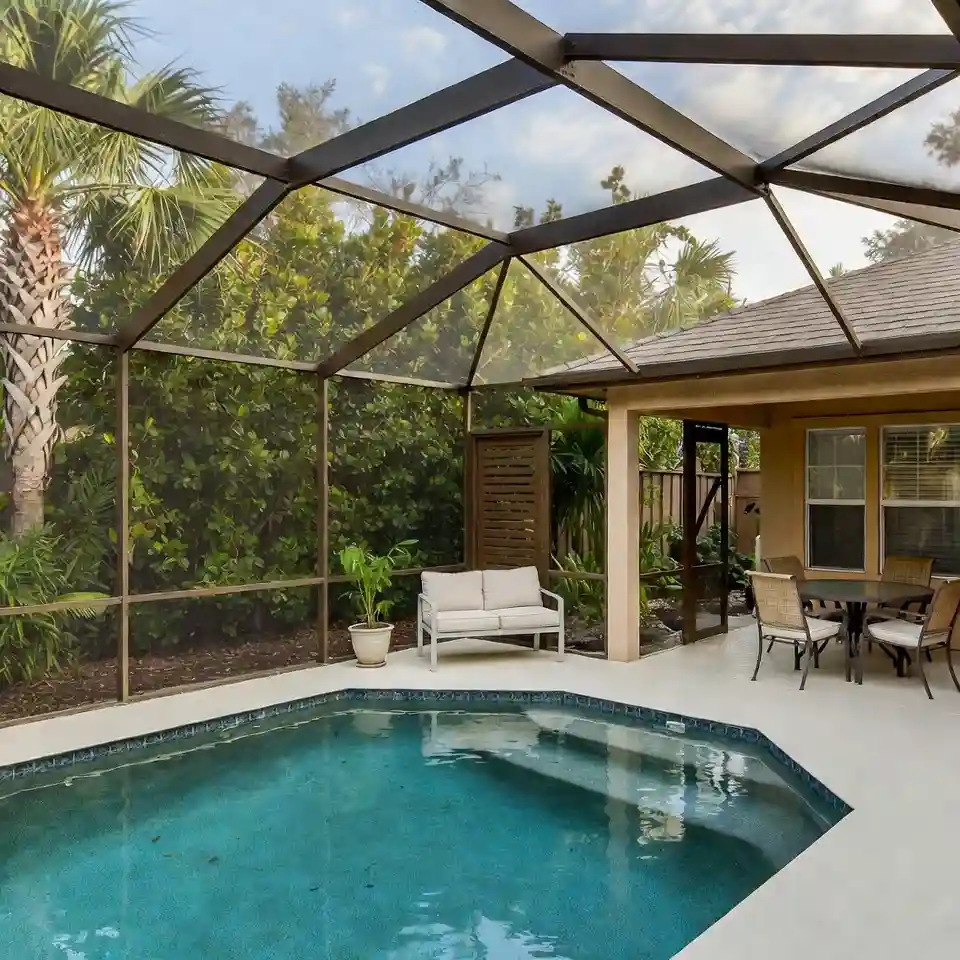
If you own a home in Northern Palm Beach County, Jupiter or the surrounding areas, you already know this: South Florida is amazing… and absolutely brutal on homes. The sunshine we love is intense and relentless. Humidity regularly sits at 80% or higher. If you're anywhere near the coast — Jupiter, Juno Beach, Tequesta, Palm Beach Gardens, North Palm Beach, Hobe Sound, Stuart, West Palm Beach — salt air is constantly attacking metal surfaces. Add in year-round pollen, bugs that never take a season off, and storm season that seems to start earlier every year, and it's no surprise that window screens, pool enclosures, lanais, and sliding glass doors wear out faster here than almost anywhere else in the country.
Screens get brittle from UV exposure. Pool cages sag after heavy rains and wind. Aluminum frames corrode. Sliding glass door tracks fill with sand, mildew, and grime, turning what should be a smooth glide into a shoulder workout. Left unchecked, small issues turn into big ones — and suddenly you're looking at a $5,000–$15,000 rescreen or enclosure replacement that could've been avoided with basic upkeep.
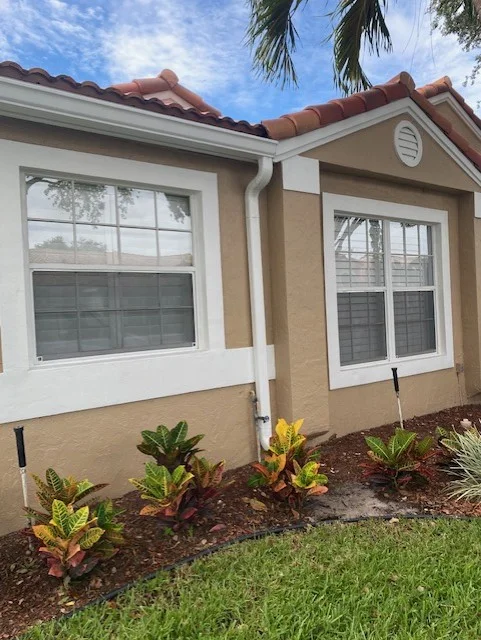
Regular maintenance isn't just about looks. Clean, tight screens keep bugs out, improve airflow, protect pets, reduce cooling costs, and help maintain your home's value. It also helps you spot problems early, before hurricane season or before one torn panel becomes twenty.
That's where Curly Tail Screen & Window comes in. Based right here in Jupiter, FL, we help hundreds of homeowners every year from Stuart to West Palm Beach keep their screens, pool enclosures, lanais, and sliding doors in top shape. Whether you're a hands-on DIYer or someone who'd rather call a pro, this guide will walk you through exactly how to maintain your screens the right way for South Florida's tropical climate.
South Florida Climate Challenges (Why Screens Fail Faster Here)
South Florida isn't just "warm" — it's a perfect storm for screen and enclosure damage.
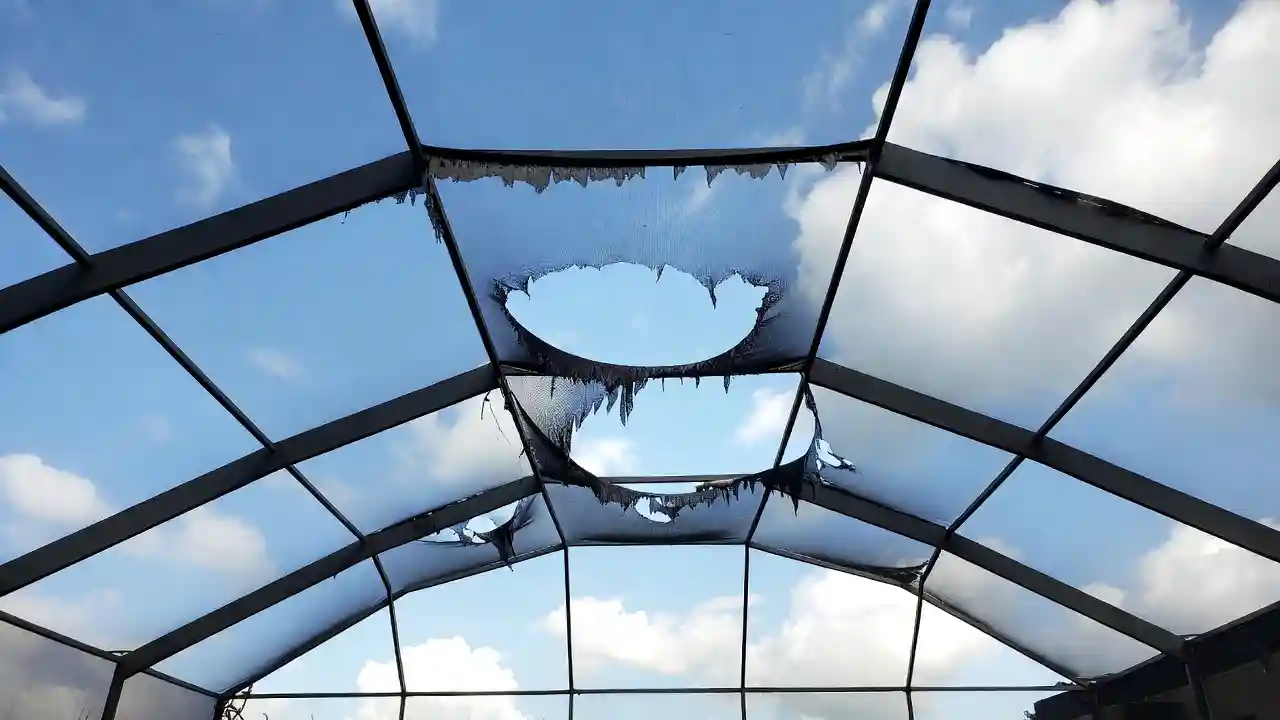
- High humidity – Moisture leads to mold, mildew, and algae growth on screens, frames, and tracks — especially on lanais and pool enclosures that don't fully dry out.
- Salt air (within 5–10 miles of the ocean) – Salt accelerates corrosion on aluminum frames, screws, and hardware, even on "rust-resistant" materials.
- Intense UV exposure – Florida sun breaks down screen fibers, making them brittle, faded, and easier to tear, including pet-resistant and standard fiberglass screens.
- Heavy rains & storms – Wind-driven rain pushes debris into screen panels, causes sagging, and stresses fasteners and spline systems.
- Year-round pollen, dirt & bugs – Screens clog faster here, reducing airflow and trapping moisture — a perfect recipe for mildew.
Tools & Safe Cleaning Supplies You'll Need
You don't need fancy equipment, but using the right tools matters.
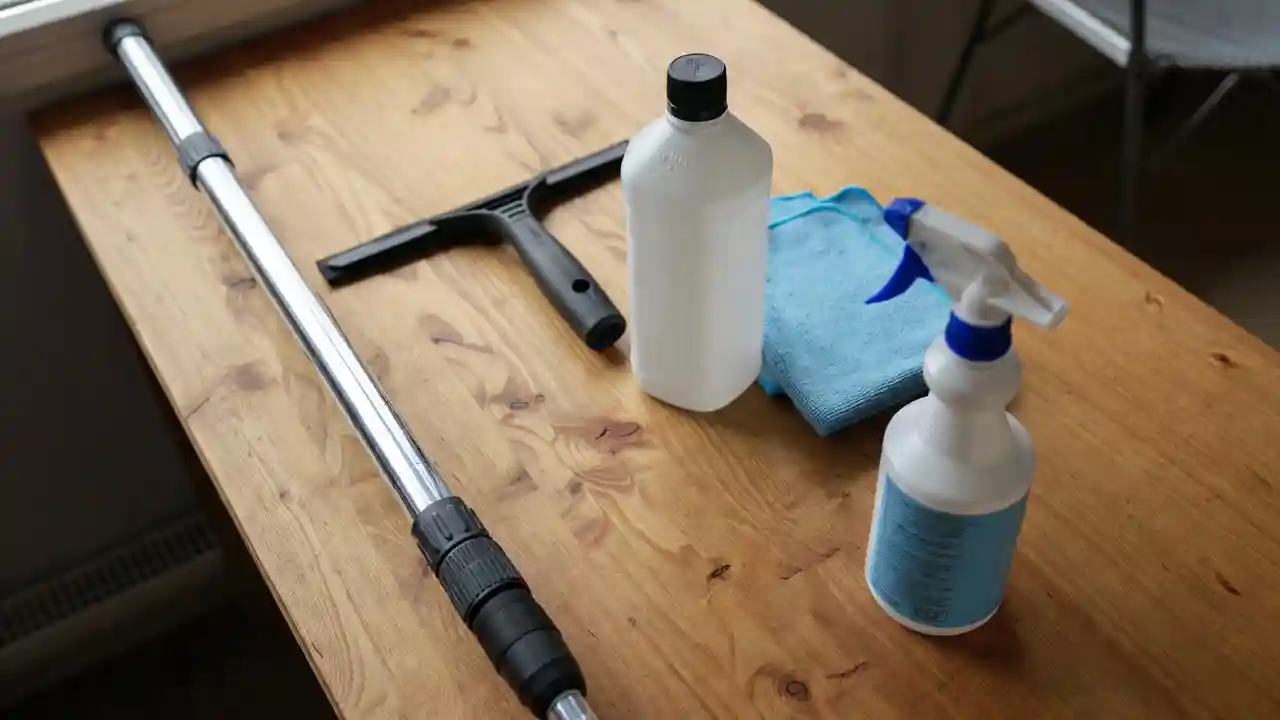
- Soft-bristle brush (or car-wash brush)
- Extension pole
- Garden hose with spray nozzle
- Bucket
- Mild dish soap or vinegar/water mix (avoid bleach on most screens)
- Microfiber cloths
- Squeegee
- Silicone-based lubricant (not WD-40)
- Small detailing brush or old toothbrush for tracks
- Gloves and eye protection
- Step ladder
- Optional: leaf blower, pressure washer on very low setting only
Step-by-Step Maintenance Guides
How to Clean & Inspect Window Screens
Recommended frequency in South Florida: Every 3–6 months
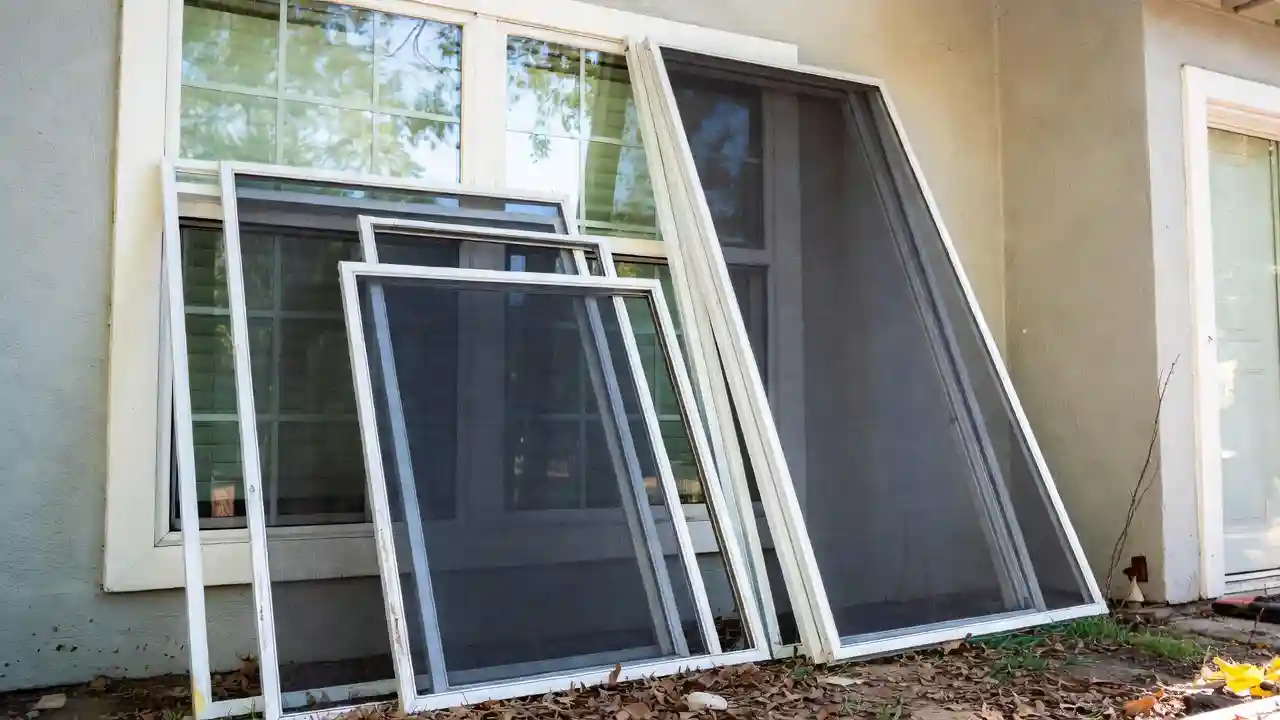
Step-by-Step:
- Remove screens carefully if possible. Lay them flat on a driveway or lawn.
- Rinse gently with a hose to remove loose dirt and pollen.
- Mix mild soap with warm water.
- Lightly scrub both sides using a soft brush — don't press hard.
- Rinse thoroughly and let air dry fully before reinstalling.
What to Watch For:
- Small tears or pinholes
- Brittle mesh that cracks when touched
- Loose or warped frames
- Sagging more than 1 inch
When to Call a Pro:
- Multiple damaged panels
- Bent frames
- Pet damage
- If screens are over 8–10 years old
👉 This is where window screen repair in Palm Beach County often makes more sense than patching.
How to Clean & Maintain Pool Enclosures, Screen Cages & Lanais
Recommended frequency: Light cleaning every 3 months, deep clean 2× per year
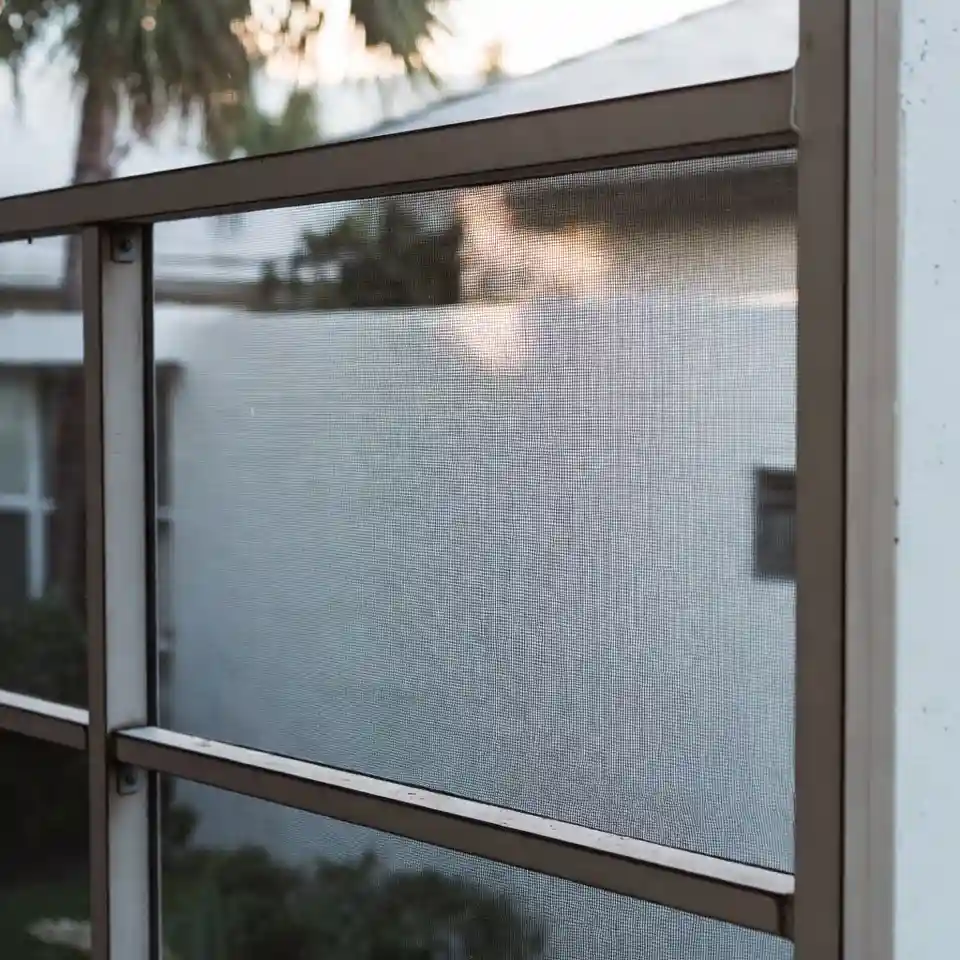
Step-by-Step:
- Use a leaf blower to remove dry debris from roof panels.
- Hose down the enclosure from top to bottom.
- Apply soap or vinegar solution using a soft brush or extension pole.
- Gently scrub — especially corners and lower panels.
- Rinse thoroughly to prevent residue buildup.
⚠️ Avoid high-pressure washing — it stretches screens and pops splines.
Warning Signs:
- Sagging roof panels
- Black mildew spots
- Loose spline
- Rust stains on frames
- Panels flapping in wind
When to Call a Pro:
- Sagging over 1–2 inches
- Torn roof panels
- Frame corrosion
- Full rescreen needed
If you're searching for "how to clean pool cage Florida" but notice these issues, it's time for professional help.
Sliding Glass Door & Screen Door Track Maintenance
Recommended frequency: Every 2–3 months
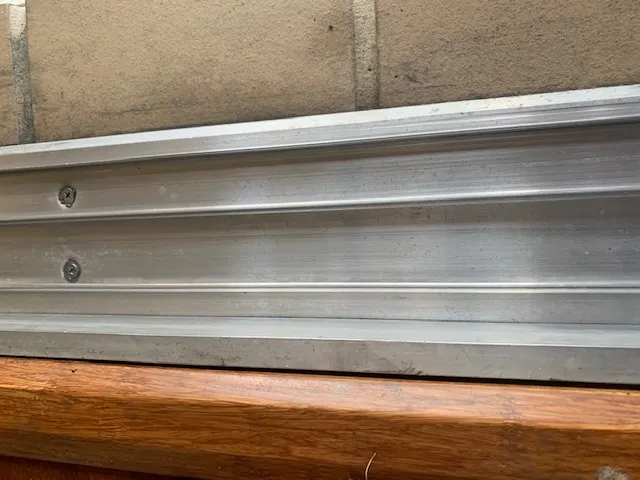
Step-by-Step:
- Vacuum tracks to remove sand and debris.
- Scrub with soapy water and a small brush.
- Rinse and dry completely.
- Apply silicone-based lubricant sparingly.
- Roll doors back and forth to distribute lubricant.
Warning Signs:
- Doors sticking or jumping
- Grinding noises
- Corrosion on rollers
- Track pitting
When to Call a Pro:
- Door won't roll smoothly
- Bent tracks
- Broken rollers
This is a big one for sliding glass door track maintenance in humid climates — ignoring it leads to expensive door replacements.
Seasonal South Florida Maintenance Checklist
- Before Hurricane Season (May–June) – Inspect all screens, tighten loose panels, replace damaged sections.
- After Storms – Check for new tears, sagging, or frame movement.
- Spring / Fall Deep Clean – Full wash of screens, enclosures, and tracks.
- Winter – Lighter cleaning, inspection, and lubrication.
Pro Tips from Curly Tail Screen & Window
- Not all screens are equal. We recommend Phifer Super Screen or vinyl-coated polyester for South Florida — they last longer in UV and humidity.
- Fiberglass is cheaper upfront but degrades faster here.
- Pet owners should always upgrade to pet-resistant screens — patching never lasts.
- Annual professional inspections catch problems early.
- If one panel is failing, others usually aren't far behind.
Keep Your Screens in Top Shape with Regular Maintenance
Maintaining window screens, pool enclosures, lanais, and sliding glass doors in South Florida's tropical climate isn't optional — it's essential. Between humidity, salt air, UV exposure, and storms, even the best materials need regular care. The good news? Simple maintenance goes a long way in preventing costly repairs, improving airflow, keeping bugs out, and protecting your home's value.
DIY cleaning and inspections are absolutely worth doing — and many homeowners handle them just fine. But when screens sag, tear, corrode, or simply reach the end of their lifespan, that's when calling a trusted local expert makes sense.
Curly Tail Screen & Window, based in Jupiter, FL, specializes in professional rescreening, repairs, upgrades, and new installations throughout Northern Palm Beach County, Jupiter and surrounding areas, proudly serving Jupiter, Tequesta, Juno Beach, Palm Beach Gardens, North Palm Beach, West Palm Beach, Stuart, Hobe Sound, and surrounding areas.
If your screens or enclosure need more than basic care, we're happy to help.
Need Professional Screen Repair or Rescreening?
Contact Curly Tail Screen & Window in Jupiter today for a free consultation or estimate – we proudly serve Northern Palm Beach County, Jupiter and surrounding areas!
Service Area: Stuart to West Palm Beach and surrounding communities